
Boost your professional image
India’s GST 2.0 Reform: Key Highlights
Discover India’s GST 2.0 reform launching on September 22, 2025. Explore nine key takeaways—from simplified two-slab tax structure and 40% sin tax to relief for essentials, medical, durables, and improved ease of doing business.
India’s #GST2point0 is transforming how we pay tax—simpler slabs, real relief for households, and stricter levies on luxury goods. Swipe to explore the 9 pivotal changes—from everyday essentials and healthcare to automobiles, insurance, and how it could affect state revenues. Let me know which change impacts you the most! #GSTReform #IndiaTax #ConsumerRelief #EaseOfBusiness #SinTax #GSTSimplification #FestiveSavings #EconomicGrowth
🔒 Login to Unlock Personalization ✨
- Want to add your logo, update your contact info, or customize posts with your brand? 🖼️📱🔧
- Login to access your personal dashboard and make it your own! 💼🎨
- It only takes a moment to get started — and your brand will shine in every post you share. 🌟💬
Discover Curated Visual Stories
Explore a growing collection of creative posts covering history, culture, lifestyle, and more. Each set is uniquely crafted with engaging content and dynamic visuals, designed to inform, inspire, and spark curiosity. Dive into the stories that matter - one post at a time.
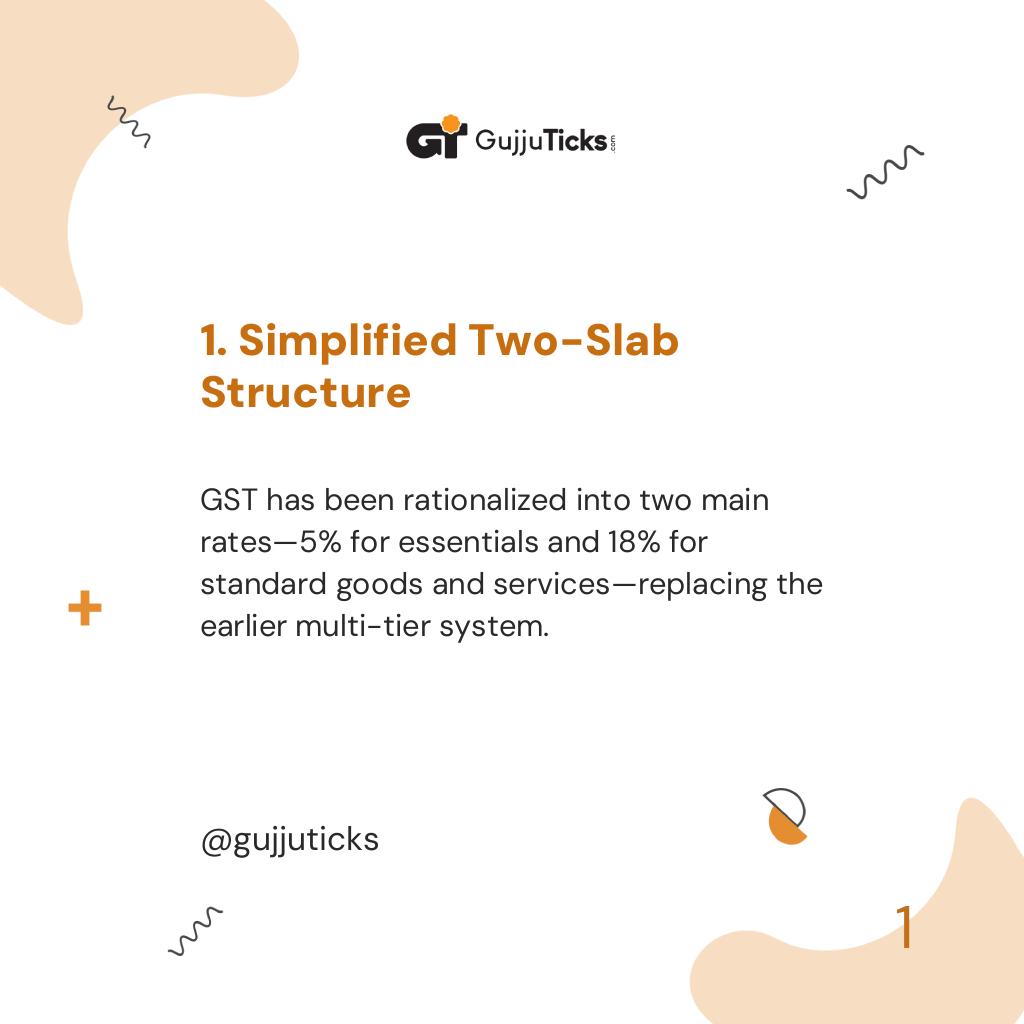
1. Simplified Two-Slab Structure
GST has been rationalized into two main rates—5% for essentials and 18% for standard goods and services—replacing the earlier multi-tier system.
2. New 40% Sin & Luxury Tax
A special 40% GST slab has been introduced for sin and luxury items such as tobacco, carbonated drinks, upscale vehicles, yachts, and helicopters.
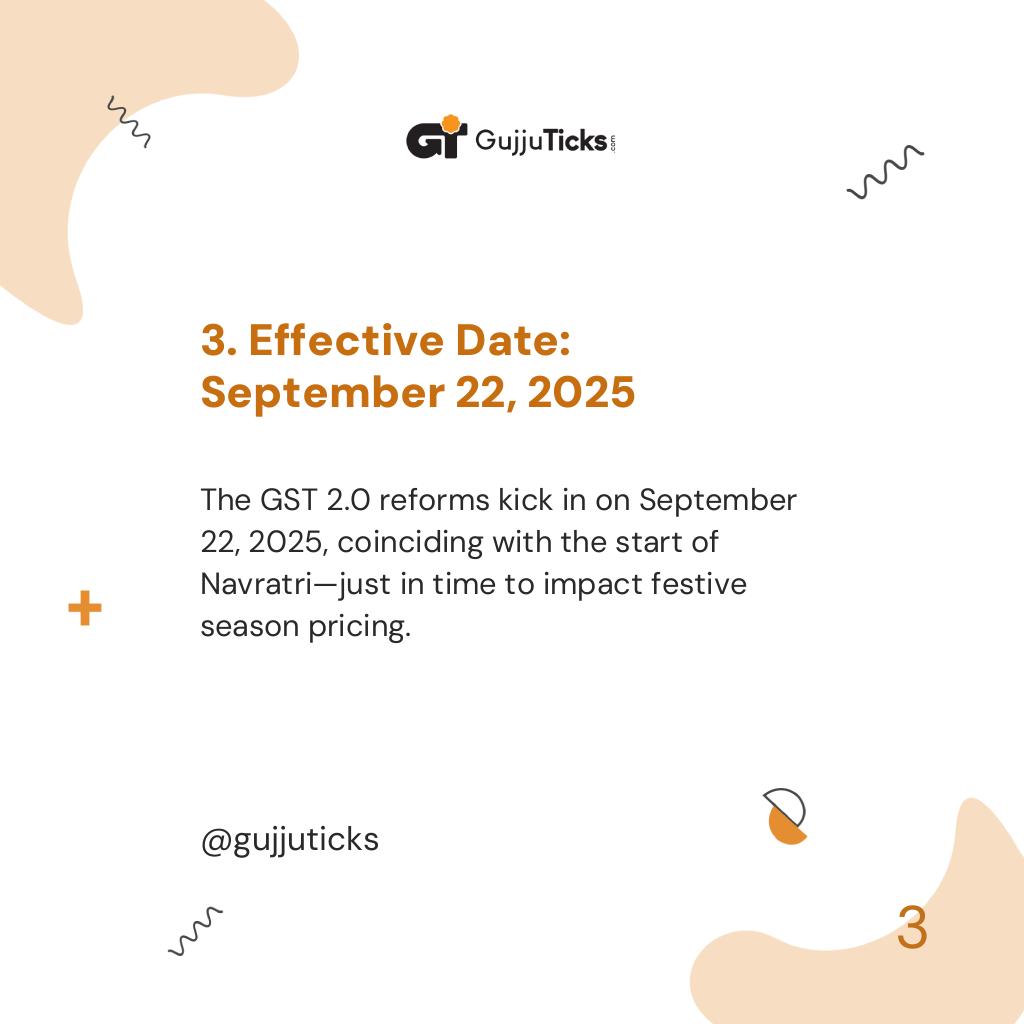
3. Effective Date: September 22, 2025
The GST 2.0 reforms kick in on September 22, 2025, coinciding with the start of Navratri—just in time to impact festive season pricing.
4. Relief for Daily Essentials
Items like bread, milk, paneer, household staples, toiletries, and packaged foods now attract lower or zero GST, easing everyday costs.
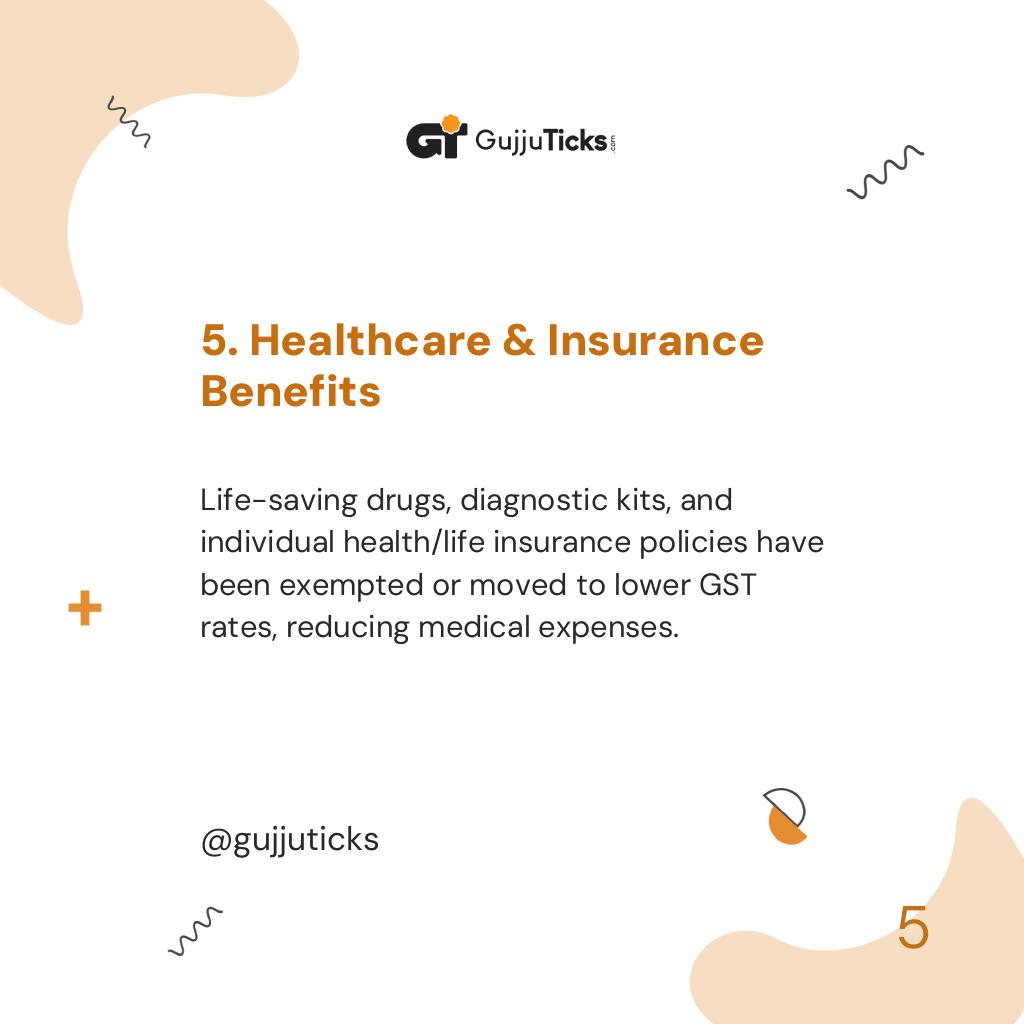
5. Healthcare & Insurance Benefits
Life-saving drugs, diagnostic kits, and individual health/life insurance policies have been exempted or moved to lower GST rates, reducing medical expenses.
6. Affordable Durables
White goods (ACs, TVs, dishwashers), small cars, bikes under 350 cc, and auto parts now fall under the 18% slab, making them more affordable.
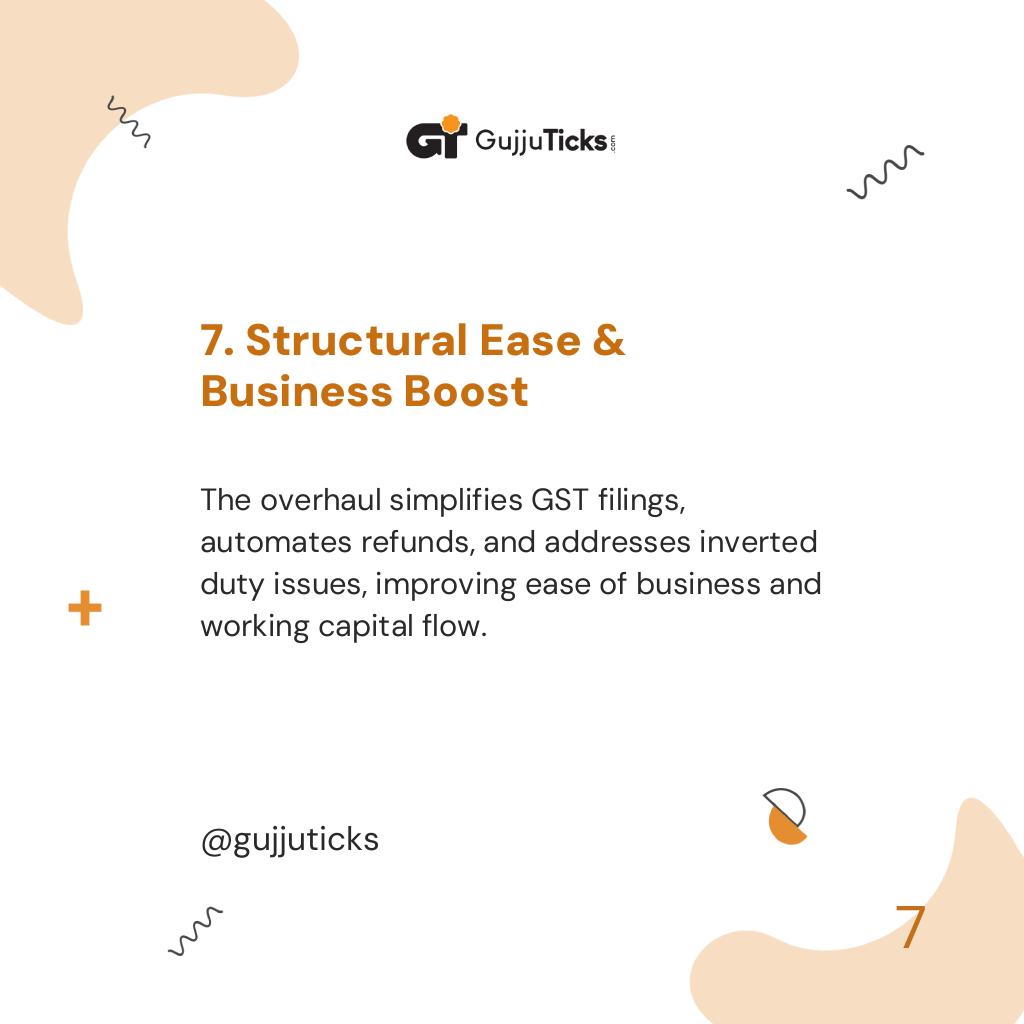
7. Structural Ease & Business Boost
The overhaul simplifies GST filings, automates refunds, and addresses inverted duty issues, improving ease of business and working capital flow.
8. Fiscal Trade-Off & States’ Concerns
While consumer demand is likely to rise, the reform may reduce tax revenues—raising concerns for state budgets and prompting calls for compensation.
9. United Approval
The GST Council, including all states, approved the reform unanimously—highlighting consensus on its significance for growth and simplification.