
Boost your professional image
Unpacking India’s GST 2.0 Reform
Explore India’s sweeping GST 2.0 reform effective 22 September 2025—simplified two-rate structure (5% & 18%), new 40% luxury tax, relief for essentials, healthcare, durables, green energy, and stronger compliance framework.
GST 2.0 is here—streamlined tax rates, real financial relief, and sustainable growth. Swipe through to see how these 9 key changes—from lower rates on essentials to support for clean energy and ease of business—impact you and the economy. Let me know which one you think will make the biggest difference! #GST2point0 #GSTReform #IndiaGST #EconomicRelief #TaxSimplification #SustainableIndia #EaseOfDoingBusiness #CleanEnergy #ConsumerSavings
🔒 Login to Unlock Personalization ✨
- Want to add your logo, update your contact info, or customize posts with your brand? 🖼️📱🔧
- Login to access your personal dashboard and make it your own! 💼🎨
- It only takes a moment to get started — and your brand will shine in every post you share. 🌟💬
Discover Curated Visual Stories
Explore a growing collection of creative posts covering history, culture, lifestyle, and more. Each set is uniquely crafted with engaging content and dynamic visuals, designed to inform, inspire, and spark curiosity. Dive into the stories that matter - one post at a time.
1. Two-Tier Tax Simplification
The GST structure has been streamlined into two primary rates—5% for essential goods and 18% for most others—eliminating complexity.
2. 40% Sin & Luxury Rate
A new 40% tax slab has been introduced for sin and luxury items such as tobacco, carbonated drinks, luxury vehicles, and more.
3. Effective From September 22, 2025
The GST 2.0 reform becomes law on September 22, coinciding with the festive Navratri season, aiming to stimulate spending.
4. Relief on Daily Essentials
Household staples—including food items, toiletries, and agricultural products—are now taxed at lower rates or exempted.
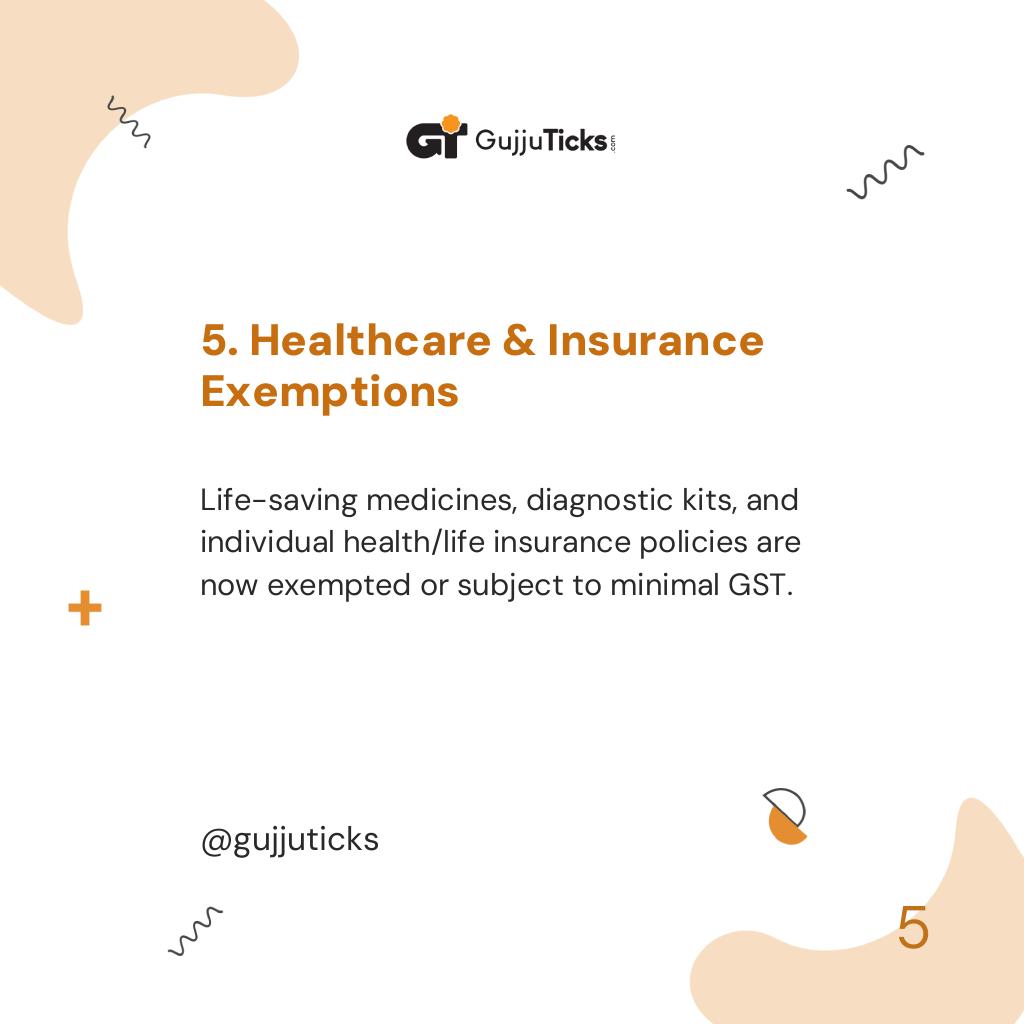
5. Healthcare & Insurance Exemptions
Life-saving medicines, diagnostic kits, and individual health/life insurance policies are now exempted or subject to minimal GST.
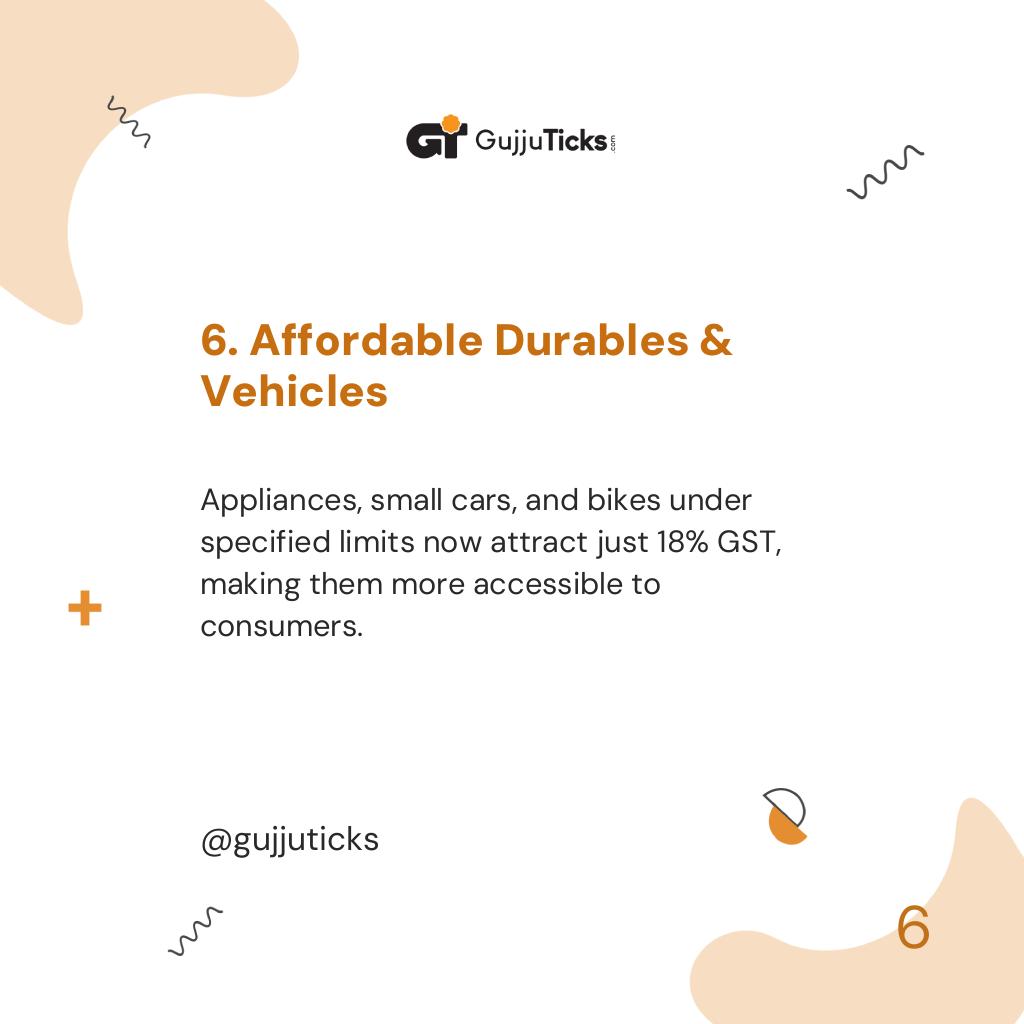
6. Affordable Durables & Vehicles
Appliances, small cars, and bikes under specified limits now attract just 18% GST, making them more accessible to consumers.
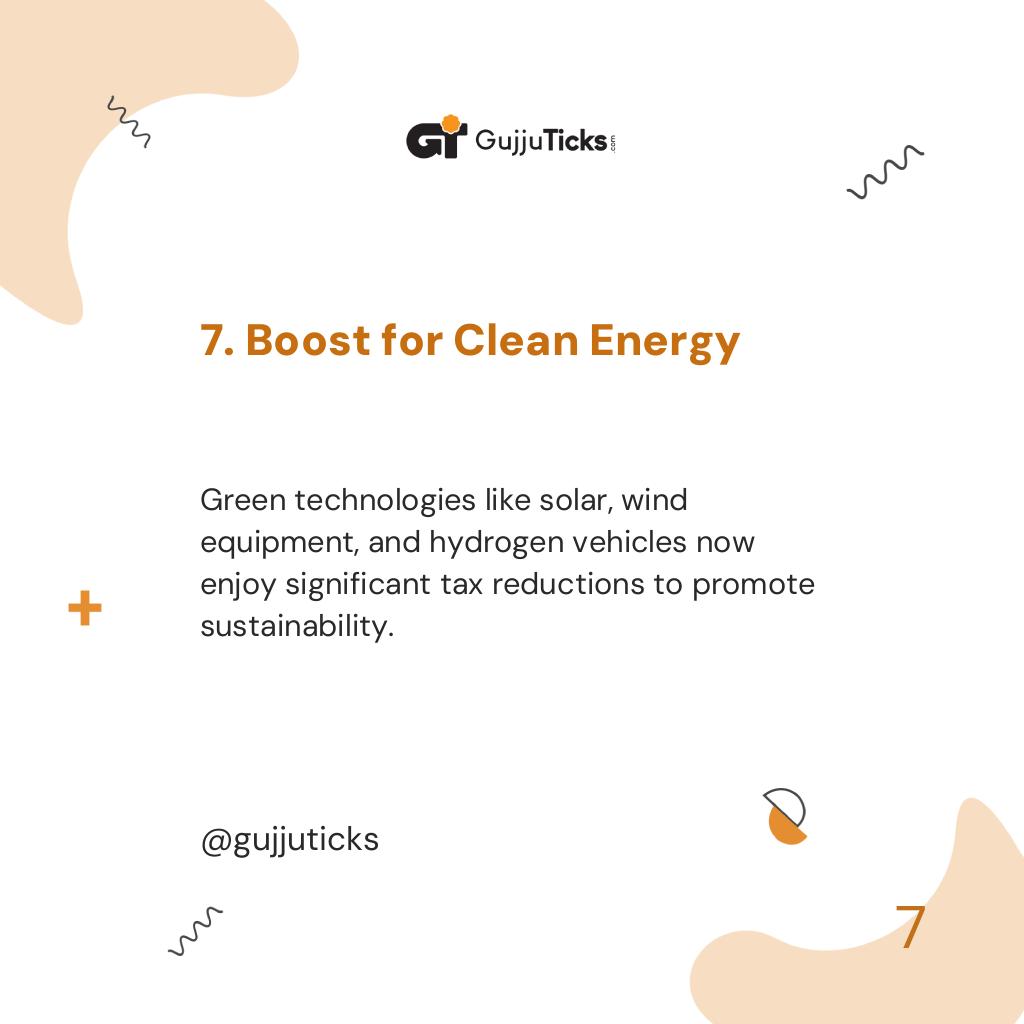
7. Boost for Clean Energy
Green technologies like solar, wind equipment, and hydrogen vehicles now enjoy significant tax reductions to promote sustainability.
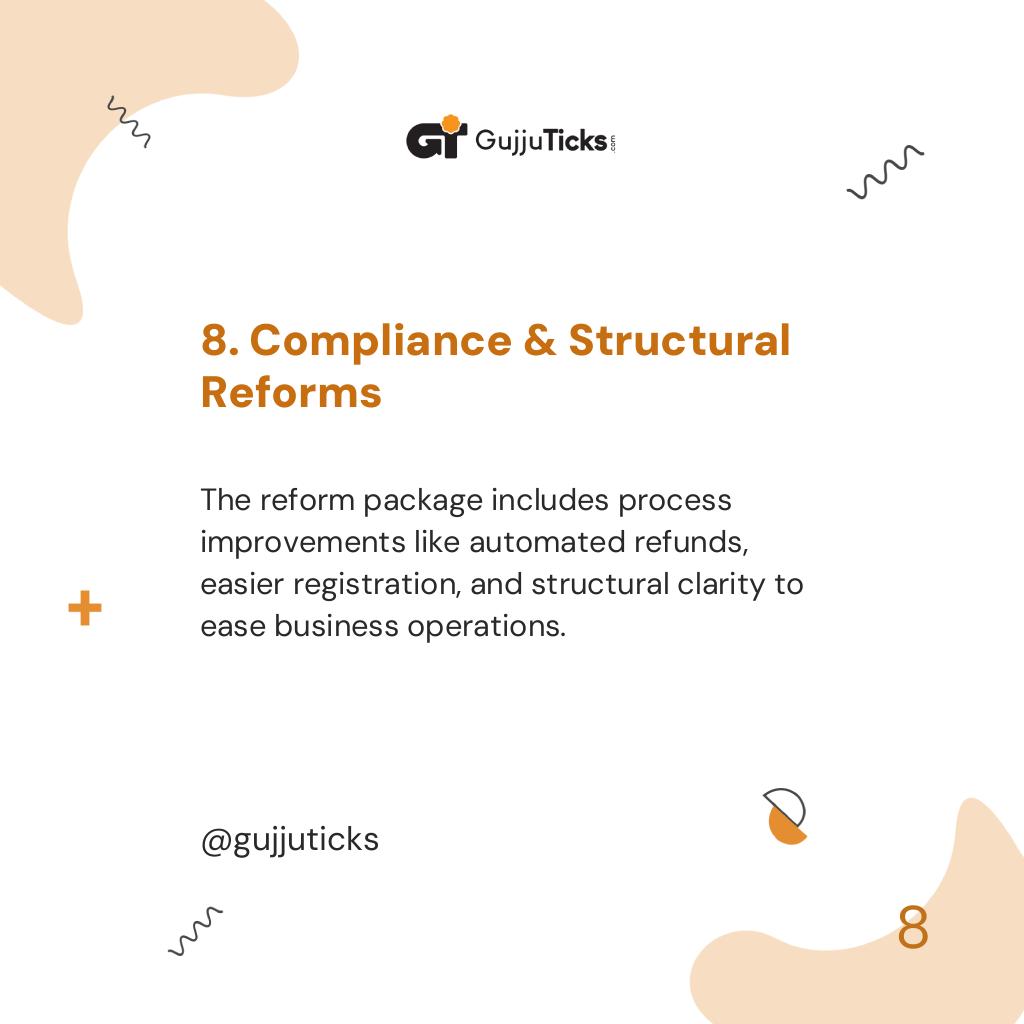
8. Compliance & Structural Reforms
The reform package includes process improvements like automated refunds, easier registration, and structural clarity to ease business operations.
9. Fiscal Trade-Offs & Strategic Growth
While these tax cuts may reduce revenue in the short term, increased consumption and manufacturing activity are expected to offset losses over time.